A new construction plumber in Fort Mill, SC needs to work inside your builder's schedule, not around it, coordinating rough-in with framing crews, inspectors, and your closing date. Fort Mill is one of the fastest-growing towns in York County, which means some neighborhoods are mid-build right now while others, like parts of Baxter Village and Massey, are old enough that builder-grade plumbing parts are starting to show their age. Here's what actually separates a plumber who understands new construction sequencing from one who's just good at repairs.
Why New Construction Homes in Fort Mill Need a Different Plumbing Approach
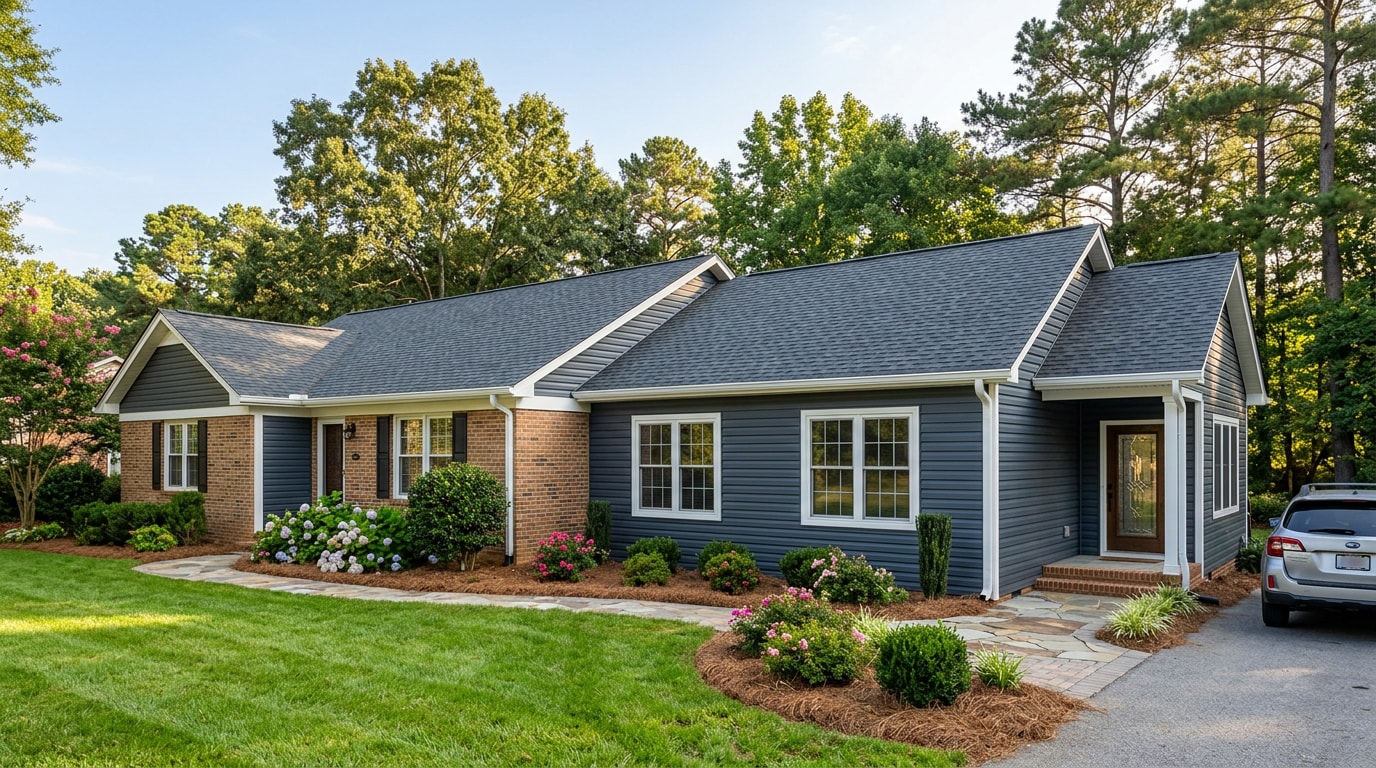
Fort Mill's housing stock spans two very different situations: homes still under construction and homes built within the last decade. Each needs something different from a plumber.
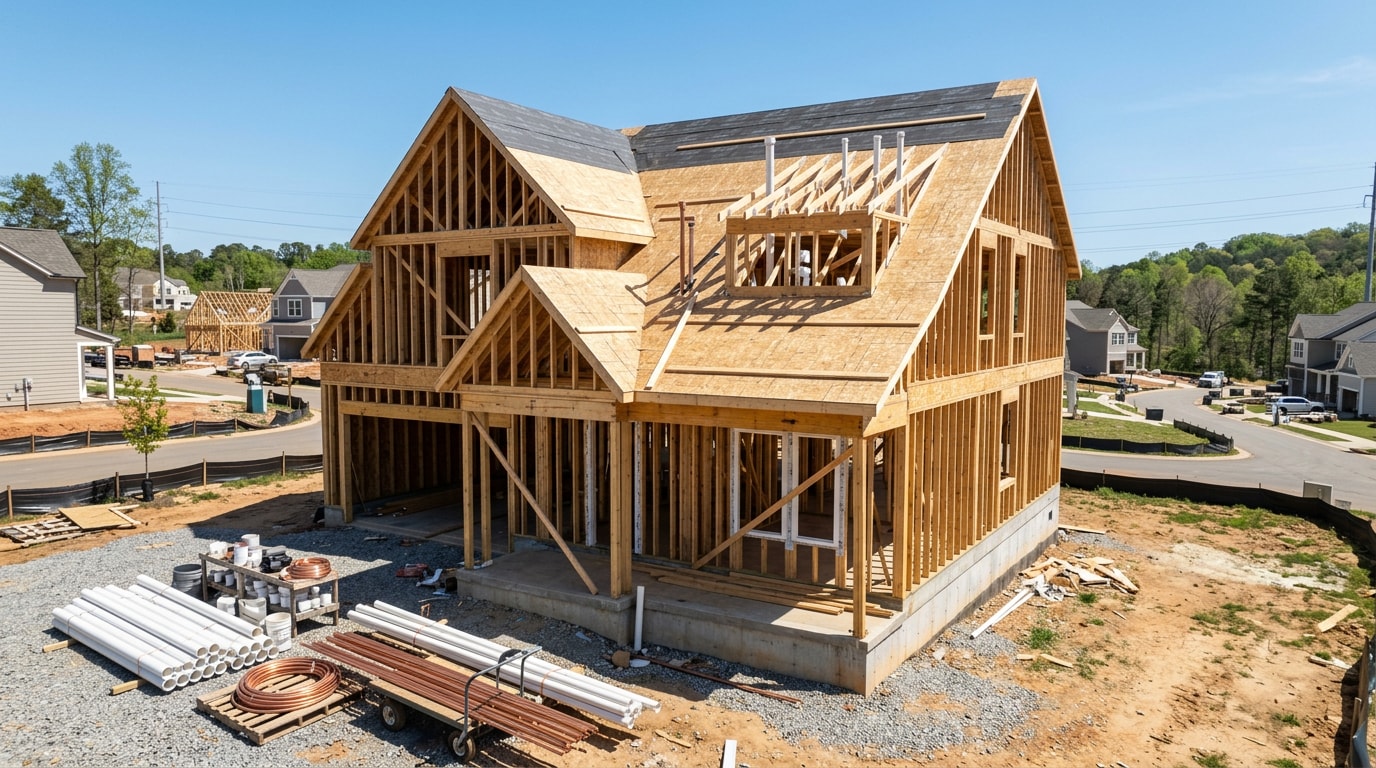
A home still being built needs a plumber who can read framing plans, stub out supply and drain lines before drywall goes up, and pass rough-in inspection on the builder's timeline, not whenever it's convenient. A home finished eight to fifteen years ago is starting to reach the point where original fixtures, cartridges, and shutoff valves wear out faster than their premium replacements would.
See the neighborhoods we build in on our Fort Mill service area page.
How Plumbing Fits Into the New-Home Build Sequence
This is where new construction plumbing differs most from repair work. It isn't a standalone job. It's one trade in a sequence, and if it's out of order, something gets covered up before an inspector ever sees it.
A custom home builder coordinates the plumbing sub around site work, foundation, and framing so nothing closes up before it's approved.
| Build Phase | Plumbing Task | What to Check |
|---|---|---|
| Site preparation | Locate water and sewer taps, set sleeves under the future slab | Confirm elevations before concrete is poured |
| Foundation or slab | Under-slab drain and supply stub-outs | Pressure-test lines before the pour |
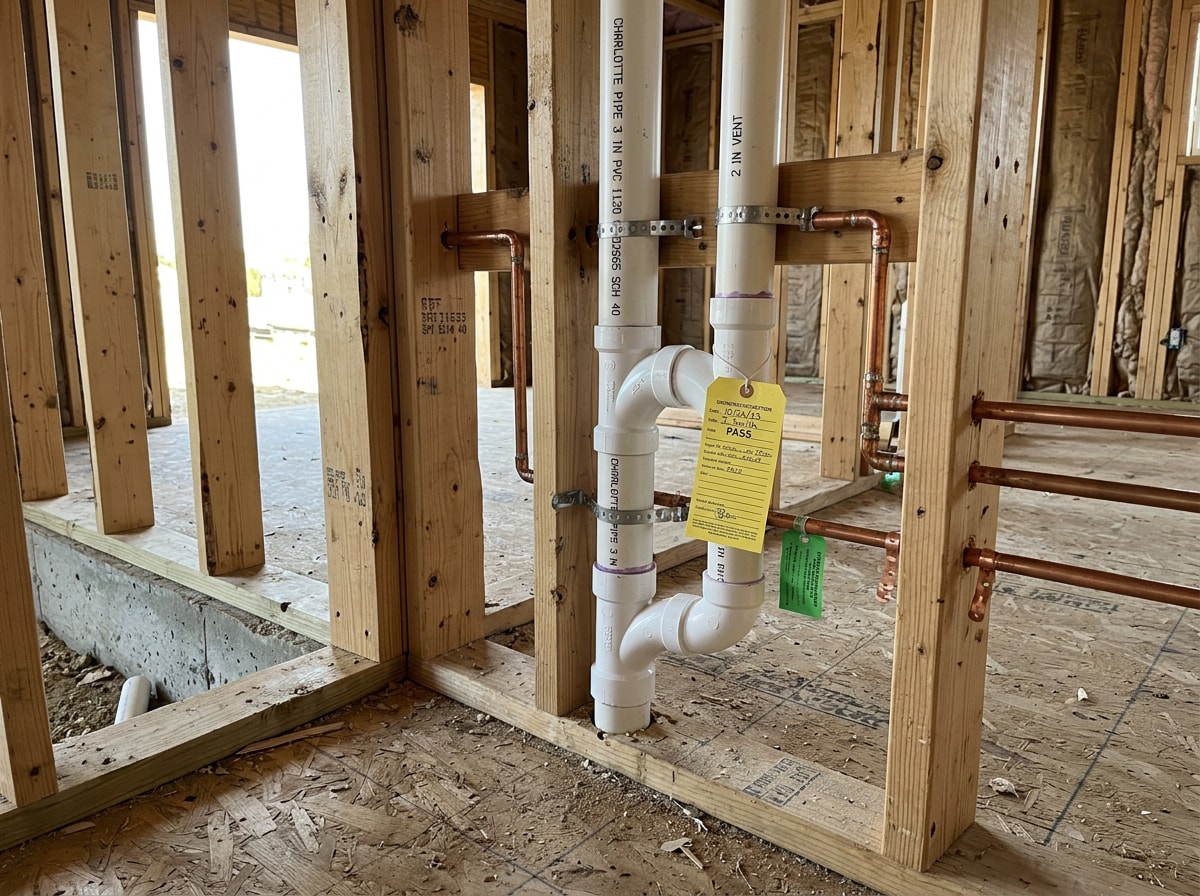
| Framing | Rough-in supply, drain, waste, and vent lines | Verify against the approved plan before rough-in inspection |
| Drywall | Walls close over the approved rough-in | No changes possible without cutting into finished wall |
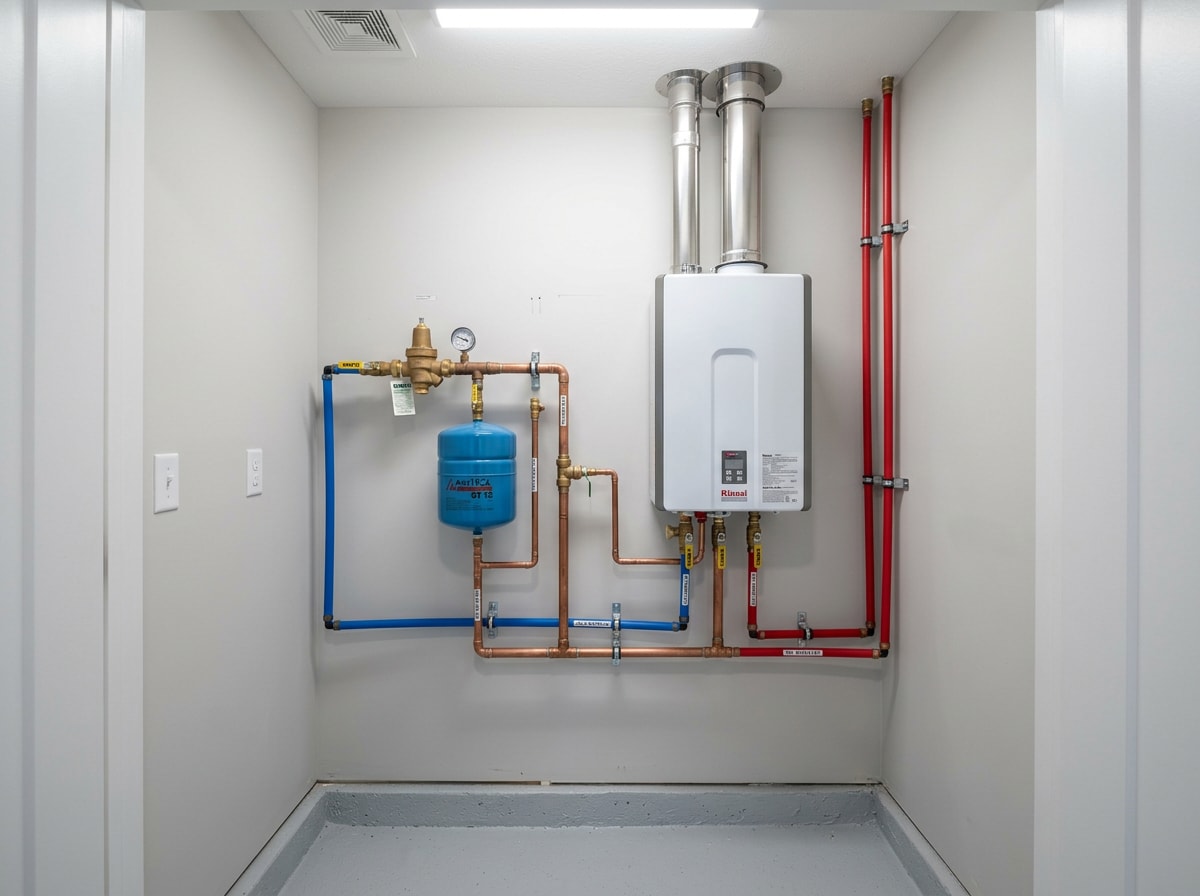
| Trim-out | Set fixtures, water heater, pressure-reducing valve, expansion tank | Test static pressure and check every connection for leaks |
| Final walkthrough | Final inspection and warranty punch list | Confirm the PRV setting and expansion tank are installed correctly |
Our residential site preparation and residential framing crews work directly with the plumbing sub so stub-outs land exactly where the plan calls for them. On our Fort Mill and Baxter Village builds, our site superintendent schedules the plumbing rough-in inspection the same week framing passes, then walks the supply manifold against the approved plan before the drywall crew starts. A missed stub-out after that point means cutting into a finished wall.
Common Plumbing Problems in Newer Fort Mill Homes
Most of the plumbing calls we hear about on newer Fort Mill homes trace back to decisions made during the original build, not product failures:
- Builder-grade fixtures and faucet cartridges wearing out years before premium replacements would
- Static water pressure above the code ceiling, which stresses fittings every time a fixture is used
- Missing or undersized thermal expansion tanks on closed water systems
- Shutoff valves and PEX connections installed under time pressure during the original build
The pressure issue has a specific code trigger. Where water pressure within a building exceeds 80 psi (552 kPa) static, an approved water pressure-reducing valve conforming to ASSE 1003 or CSA B356 with strainer shall be installed to reduce the pressure in the building water distribution piping to not greater than 80 psi (552 kPa) static. You can read the full requirement in IPC Section 604.8. When a PRV is added, it also creates a closed system, which is why a correctly sized expansion tank matters just as much as the valve itself.
Licensing: What South Carolina Requires on a New Build
South Carolina does not let just anyone pull a plumbing permit. To work as a commercial or residential plumbing contractor in South Carolina, you must hold a state license, and the South Carolina Department of Labor, Licensing and Regulation (LLR) oversees both of the entities that issue those licenses.
As your general contractor, Spargo Construction only works with plumbing subcontractors who carry an active LLR license, and you don't have to take that on faith. A general contractor may hire licensed subcontractors, but you can always verify those subs independently through the LLR portal. Run your own check anytime through the South Carolina LLR license lookup.
Permits and Code in York County and Fort Mill
Plumbing work on a new build has to meet more than a handshake standard. South Carolina adopted the 2021 South Carolina Building Codes at the Building Codes Council meeting of October 6, 2021, effective January 1, 2023.
The Building and Codes division is charged with enforcing South Carolina adopted internationally recognized construction standards for all new construction, renovations, and additions.
That means every rough-in, every PRV, and every expansion tank on your new build gets checked against the same adopted code, whether you're building in Fort Mill city limits or unincorporated York County. Review the current list on the York County Building and Codes page before you finalize your scope of work.
Building an Addition or ADU? The Same Sequencing Applies
If you're not building new from the ground up but adding square footage, the plumbing sequencing problem is the same: rough-in has to happen before the walls close, and it has to tie into your existing system without dropping pressure elsewhere in the house. That applies whether you're planning home additions or an accessory dwelling unit with its own kitchen and bath.
For a closer look at how permitting and pricing work on a full new build in this corridor, our guide to home builder construction in Indian Land walks through the process step by step.
How Spargo Construction Coordinates Plumbing on Every New Build
We manage the plumbing trade the same way we manage framing, electrical, and concrete: on a schedule, against an approved plan, with the sub's license verified before they're on site. If you're planning a custom home, addition, or ADU in Fort Mill, Lake Wylie, Clover, York, Rock Hill, or Indian Land, visit our homepage to see the full scope of what we build, or get a free estimate to start the conversation before you break ground.
FAQ
Does Spargo Construction handle plumbing on new home builds in Fort Mill?
As your general contractor, we don't pull the plumbing permit ourselves. We hire and supervise a licensed South Carolina plumbing subcontractor on every new build, verify their LLR license before they start, and schedule their rough-in and trim-out around framing, drywall, and your closing date.
Why does a fairly new home in Fort Mill already have plumbing problems?
Builder-grade fixtures, faucet cartridges, and supply lines are often the first parts to wear out, and high incoming water pressure speeds that up if a pressure-reducing valve wasn't set correctly at trim-out.
What's the difference between new construction plumbing and repair plumbing?
New construction plumbing is scheduled against the framing, drywall, and inspection sequence of a build, with every connection sized for the final fixture count before walls close. Repair plumbing works around a finished house, often cutting into existing walls or slabs to reach a problem.
Are new-construction plumbing permits and inspections required in Fort Mill and York County?
Yes. Permitted plumbing work has to meet the state-adopted plumbing code, and both Fort Mill and York County inspect new-construction work against those adopted codes before you close.
Does South Carolina require a license for new construction plumbing?
Yes. Plumbing contractors must hold a state license through LLR, and homeowners or builders can verify that license directly through the agency's online portal before work starts.
What should be included in a new construction plumbing scope?
At minimum: supply and drain rough-in sized to the final fixture count, a pressure-reducing valve if static pressure exceeds 80 psi, a correctly sized thermal expansion tank, and a final walkthrough that checks every fixture and shutoff before closing.