Hiring one of the apartment construction companies in Rock Hill, SC carries more risk than picking a home remodeler. Multifamily work involves commercial-level code requirements, larger budgets, and tenants or lenders whose timelines depend on the job finishing on schedule. Before you sign anything, here's what actually separates a qualified multifamily contractor from a residential builder taking on a project outside their depth.
What a Multifamily General Contractor Actually Handles
A multifamily general contractor manages the full build: permitting, architect coordination, subcontractor hiring and supervision, code compliance, and material procurement. It's a broader role than typical home-renovation work, since apartment buildings fall under commercial-level code and inspection requirements rather than residential ones.
Because the dollar amounts are larger, clients often ask to see a contractor's financial statements before awarding a contract. This confirms the company has enough net worth and liquidity to cover payroll and materials without leaning entirely on draw payments. For a Rock Hill apartment construction company, this kind of financial vetting is standard practice on any project of real size.
Licensing, Insurance, and Credentials in South Carolina
South Carolina treats residential and commercial/multifamily licensing differently, and the line matters more than many first-time developers expect.
| Project Type | Typical License Category | What It Generally Means |
|---|---|---|
| Single-family or duplex (1 to 2 units) | Residential Builder license | Issued through the Residential Builders Commission |
| Multifamily, 3+ units, any value | Commercial General Contractor license | Regulated through the Contractor's Licensing Board once a building is classified multifamily/commercial |
| Larger commercial projects | General Contractor license, tiered by bid "group" | The license group caps the dollar value of work a contractor is legally permitted to bid |
Exact dollar thresholds and classifications change, so confirm current rules directly with the South Carolina Contractor's Licensing Board before bidding a project. You can verify any contractor's license status, classification, and bid group through the South Carolina Contractor's Licensing Board rather than taking a company's word for it.
Also confirm that general liability and worker's compensation insurance are active, and that the company carries appropriate bonding. Bonding protects you financially if a contractor fails to complete the work as agreed, and it's one of the first things a lender will ask about.
9 Steps to Vet an Apartment Construction Company
Here's the practical sequence most developers and property owners follow before signing a contract.
- Start your search early. Permitting, lender approval, and subcontractor scheduling can all take months before a shovel hits the ground. Starting while financing is still being arranged gives you room to vet multiple firms.
- Write a detailed project scope. Cover unit count, finish levels, amenities, and site constraints. Vague scopes lead to wildly different bids that are hard to compare.
- Get estimates from a few companies. Two or three firms for most projects, five or six for larger developments. Compare what's included and excluded, not just the bottom line.
- Check references. Ask how the contractor managed disruption in occupied buildings, since phased construction around existing tenants is a different challenge than building on an empty lot.
- Read reviews with multifamily work in mind. A contractor with strong single-family reviews but no apartment or commercial history may not be the right fit.
- Confirm licensing, insurance, and bonding up front. Don't wait until after you've picked a favorite to ask.
- Ask directly about multifamily-specific experience. Years in business isn't the same as units completed.
- View their portfolio. Look for completed multifamily work, ideally within Rock Hill or York County, rather than single-family homes alone. Browse completed local work on our project portfolio before narrowing your shortlist.
- Clarify communication and reporting before you sign. Ask how often they'll report progress and who, specifically, you'll be talking to day-to-day.
Why Multifamily Experience Matters More Than Years in Business
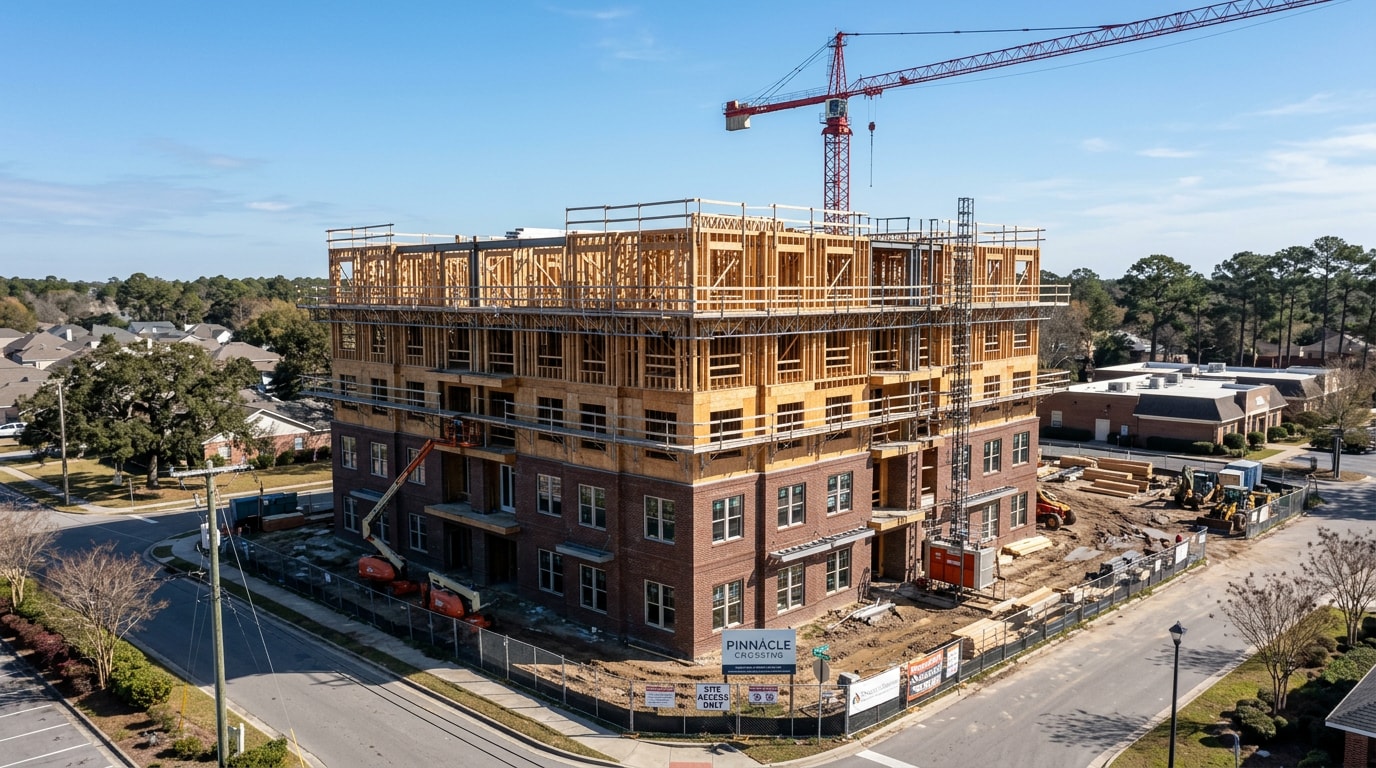
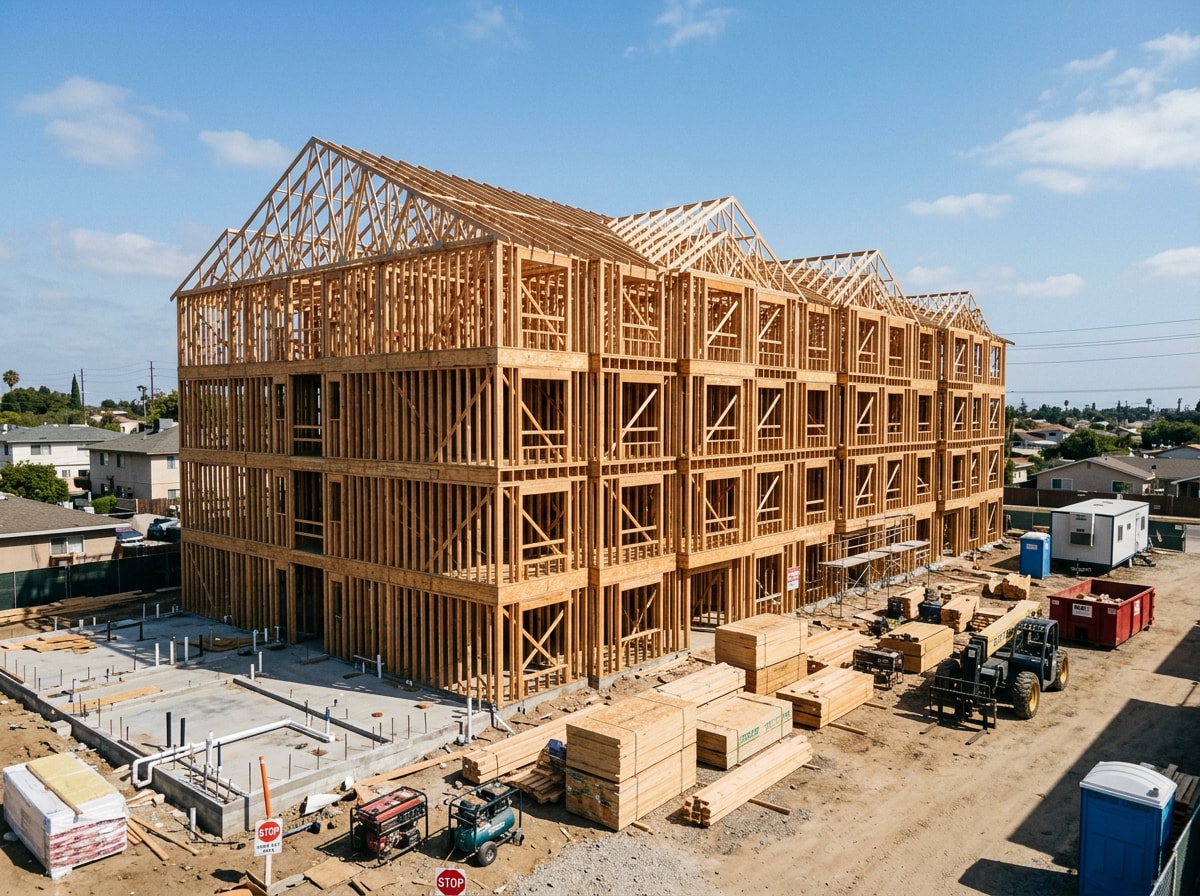
Multifamily construction differs from single-family work in ways that only show up once the project starts. These builds often involve staggered timelines, tenant coordination, and compliance requirements that simply don't apply to a standalone house.
A contractor with real multifamily experience knows how to phase work to reduce disruption in occupied buildings. In our own work managing commercial and multi-unit residential projects around Rock Hill and Clover, we've found the biggest schedule risk usually isn't the construction itself, it's underestimating how long phased work takes around tenants or adjacent operations. You can see how we approached that on a recent commercial construction and renovation project in Clover, SC.
Clear Communication Is Non-Negotiable
Good communication on a multifamily job looks like regular progress updates, a clear point of contact, and honesty when problems come up. Vague or infrequent reporting is a warning sign on a project this size, where delays and cost overruns compound quickly if they aren't flagged early.
A company that struggles to answer basic communication questions during bidding likely won't improve once the contract is signed.
Cost and Budget Considerations
Rock Hill developers typically encounter two pricing structures.
| Contract Type | How It Works | Best For |
|---|---|---|
| Fixed-price / guaranteed maximum price | Total cost locked in upfront | Projects with a fully defined scope |
| Cost-plus | Contractor paid actual costs plus a fee | Projects where scope isn't finalized yet |
The lowest bid isn't automatically the best value. A bid that excludes site work, permitting, or contingency will look cheaper on paper and cost more later. Site work, grading, utility tie-ins, and concrete site preparation in particular, is one of the most commonly excluded line item in a lowball bid, so ask each bidder to spell out exactly what's covered.
{{SITE_URL}}
Multifamily cost estimates vary enormously across the industry, from roughly $150 per square foot for garden-style low-rise construction to well over $500 for high-rise work, depending on height, amenities, and local labor and material pricing. Treat any national average as a rough starting point and get a project-specific estimate for your Rock Hill site rather than budgeting off a generic number.
Why Contracts Make or Break Multifamily Projects
A solid construction contract should spell out the full scope of work, a schedule with milestones, a payment schedule tied to completed phases rather than flat calendar dates, and a clear change-order process. It should also state what happens if deadlines are missed.
Vague contracts are where multifamily projects run into trouble. If a term isn't written down, including who pays for delays caused by weather, supply issues, or permitting holdups, don't assume it will be resolved fairly later. Put it in writing before signing.
General Contractors and Construction Loans
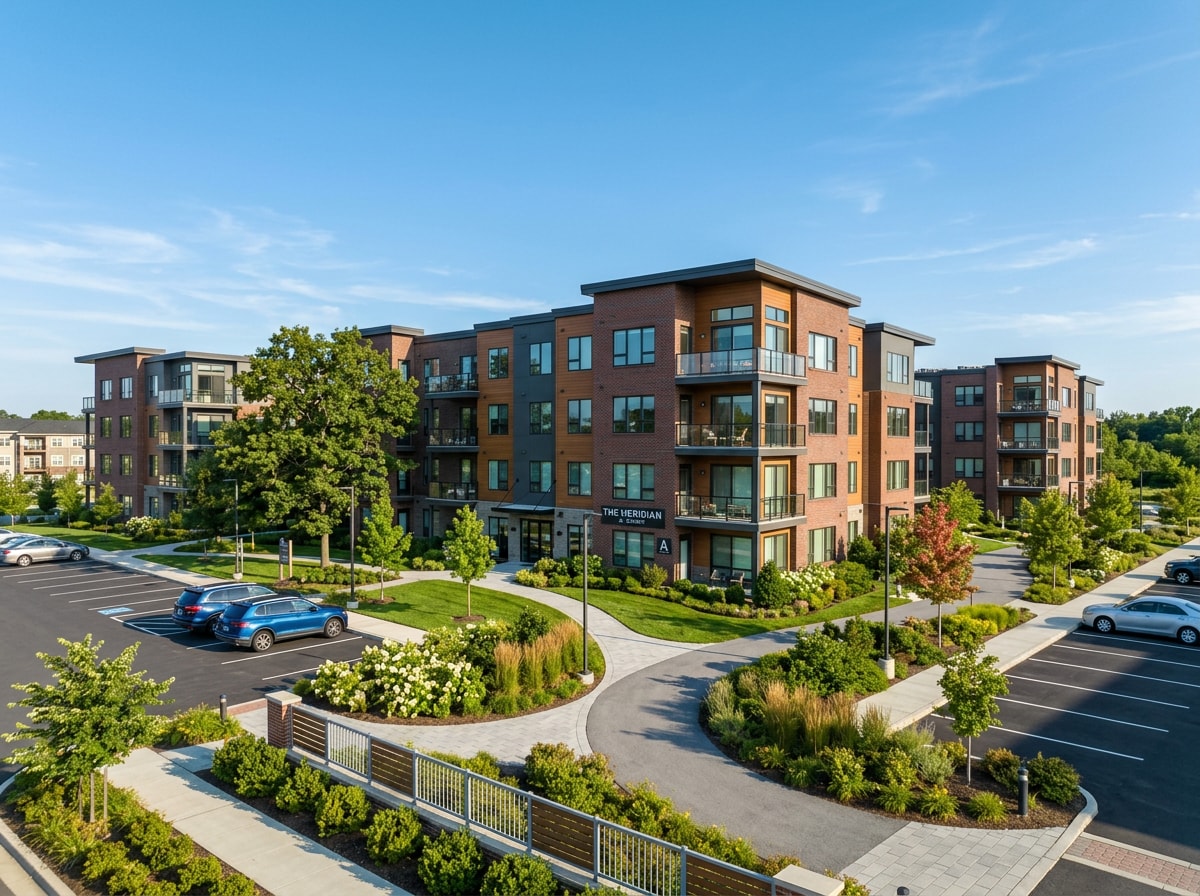
Most construction lenders want to approve the general contractor before releasing funds, since the contractor's bonding capacity and track record directly affect the lender's risk. If you're financing through a conventional construction loan or a HUD program, your GC selection becomes part of the underwriting package.
HUD's Section 221(d)(4) program insures mortgage loans to facilitate the new construction or substantial rehabilitation of multifamily rental or cooperative housing , and lenders using it will scrutinize your contractor's bonding and experience as closely as your financials. You can review the program details directly on HUD's own multifamily programs page. If your project involves outside financing, loop in your lender early and ask what documentation they'll need on your contractor before you finalize a bid.
How Long Does Apartment Construction Actually Take?
Most generic guides cite "12 to 18 months" without a source. The real number, based on the most recent federal data, runs longer. The average time needed to complete construction of a multifamily building after obtaining authorization edged down in 2025, taking 18.9 months from permit to completion , according to the 2025 Survey of Construction (SOC) from the Census Bureau . That figure comes from the Census Bureau's Survey of Construction program, which HUD and Census jointly run to track housing starts and completions nationally.
Larger buildings take longer. Build size, region, site conditions, and how quickly local permitting moves all affect your actual timeline more than any national average will.
Finding the Right Fit in Rock Hill and York County
A company with visible multi-unit experience near Rock Hill, SC will understand local permitting offices, inspectors, and site conditions better than one working from out of the region. The same holds true for nearby markets like York, SC and Fort Mill, SC, where zoning and inspection cycles can differ from Rock Hill proper even though they're a short drive apart.
Choosing a Contractor Takes Homework
Choosing among apartment construction companies in Rock Hill, SC comes down to checking licensing and insurance, confirming real multifamily experience, comparing bids line by line, and locking in a clear contract before work begins. Skipping any of these steps raises your risk of delays, cost overruns, or compliance problems later.
This guide was put together by the team at Spargo Construction, which handles custom home, deck, concrete, and commercial construction work throughout Rock Hill, Fort Mill, York, Clover, Lake Wylie, and Indian Land, SC. If you're planning a multifamily or commercial project in the area, get a free estimate and we'll walk through scope, timeline, and budget with you directly.
FAQ
How do I choose the right general contractor for an apartment construction project?
Start early, write a detailed project scope, collect two to five comparable bids, check references and reviews, and confirm licensing and bonding before signing. The 9-step checklist above walks through each part in more detail.
How much does it cost to build an apartment complex?
Costs vary widely across the industry, generally from around $150 per square foot for low-rise construction to well over $500 for high-rise work, depending on height, finishes, and region. Treat any published average as a starting point and request a project-specific estimate for your site.
How long does it take to build an apartment building?
It took 18.9 months from permit to completion on average in 2025 , per NAHB's analysis of Census Bureau data. Larger buildings and buildings in the Northeast tend to run longer than smaller buildings in the South or Midwest.
What's the difference between a general contractor and a developer?
A developer oversees financing, land acquisition, and leasing strategy. The general contractor manages the physical construction, including subcontractors, permitting, and code compliance. When you search for apartment construction companies, you're looking for the general contractor.
What license does an apartment construction company need in South Carolina?
Multifamily projects generally require a Commercial General Contractor license through the Contractor's Licensing Board rather than a Residential Builder license, with bid limits tied to the contractor's license group. Confirm current thresholds directly with South Carolina's licensing board before signing anything.
Does a lender need to approve my contractor before releasing construction funds?
Usually, yes. Most construction lenders, and HUD-backed programs like 221(d)(4) specifically, review the contractor's bonding capacity and track record as part of underwriting, so a weak contractor choice can delay or jeopardize financing even when the rest of the loan application is strong.